Solids Control System – The “Blood Purification” System for Drilling Fluid
In the oil drilling industry, drilling fluid is often compared to the “blood” of the drilling operation. It performs critical functions such as carrying cuttings to the surface, cooling the drill bit, and balancing formation pressure. However, the continuous generation of cuttings (harmful solids) during drilling acts like “impurities” in the blood, constantly contaminating the drilling fluid. This leads to deteriorated fluid performance, reduced rate of penetration (ROP), and can even trigger downhole complications.
The solids control system is the core auxiliary system designed to “purify the blood” of the drilling fluid. Through a multi‑stage mechanical treatment process, it precisely removes harmful solids while retaining useful components. It is a vital guarantee for safe and efficient drilling and a hallmark of scientific drilling practices.
Core Components of the Solids Control System
A complete solids control system typically consists of three major parts: modular combination tanks, multi‑stage purification equipment, and supporting auxiliary devices. Among these, the five‑stage purification process is the most classic configuration, following the principle of “graded treatment and progressive purification,” with each piece of equipment performing its specific duty:
Stage 1: Shale Shaker – The “Goalkeeper” for Large Particles
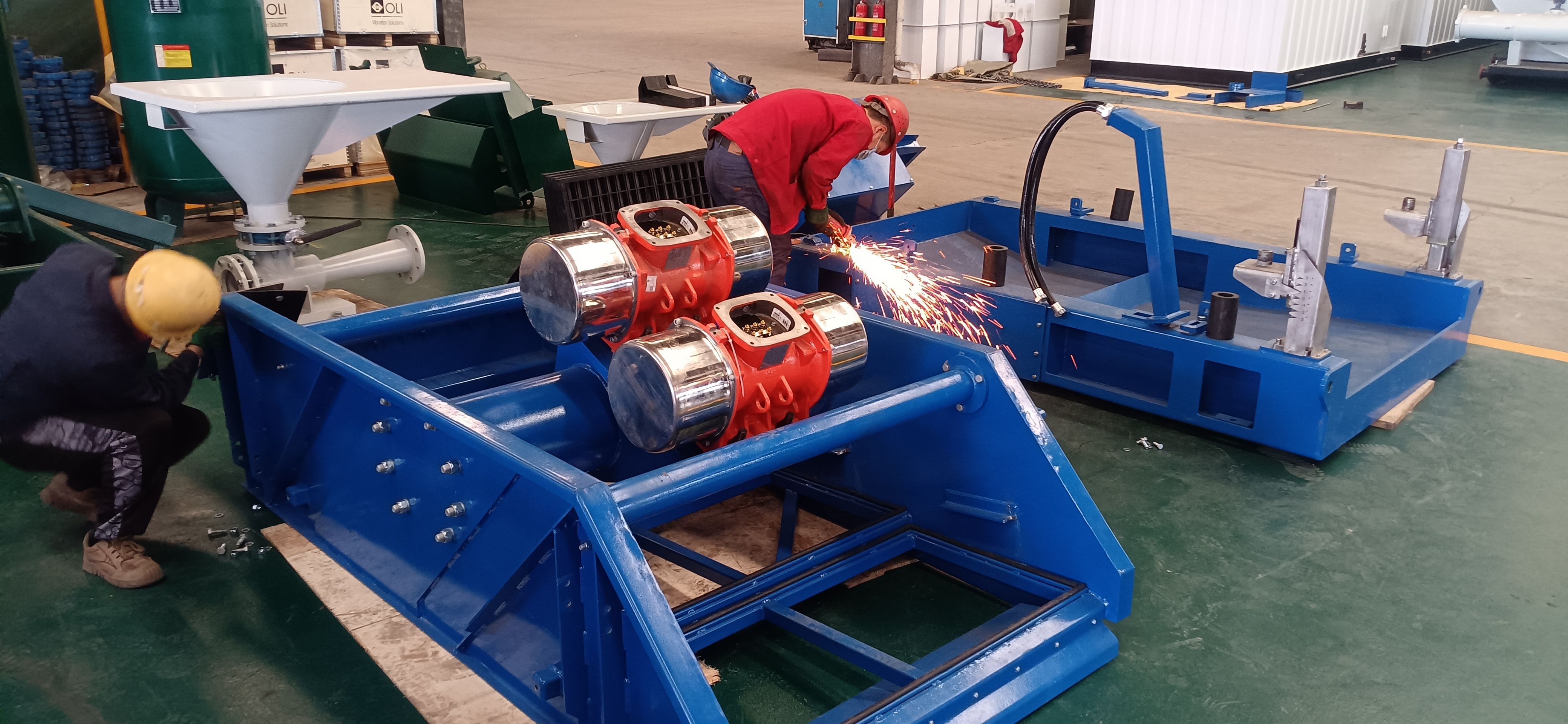
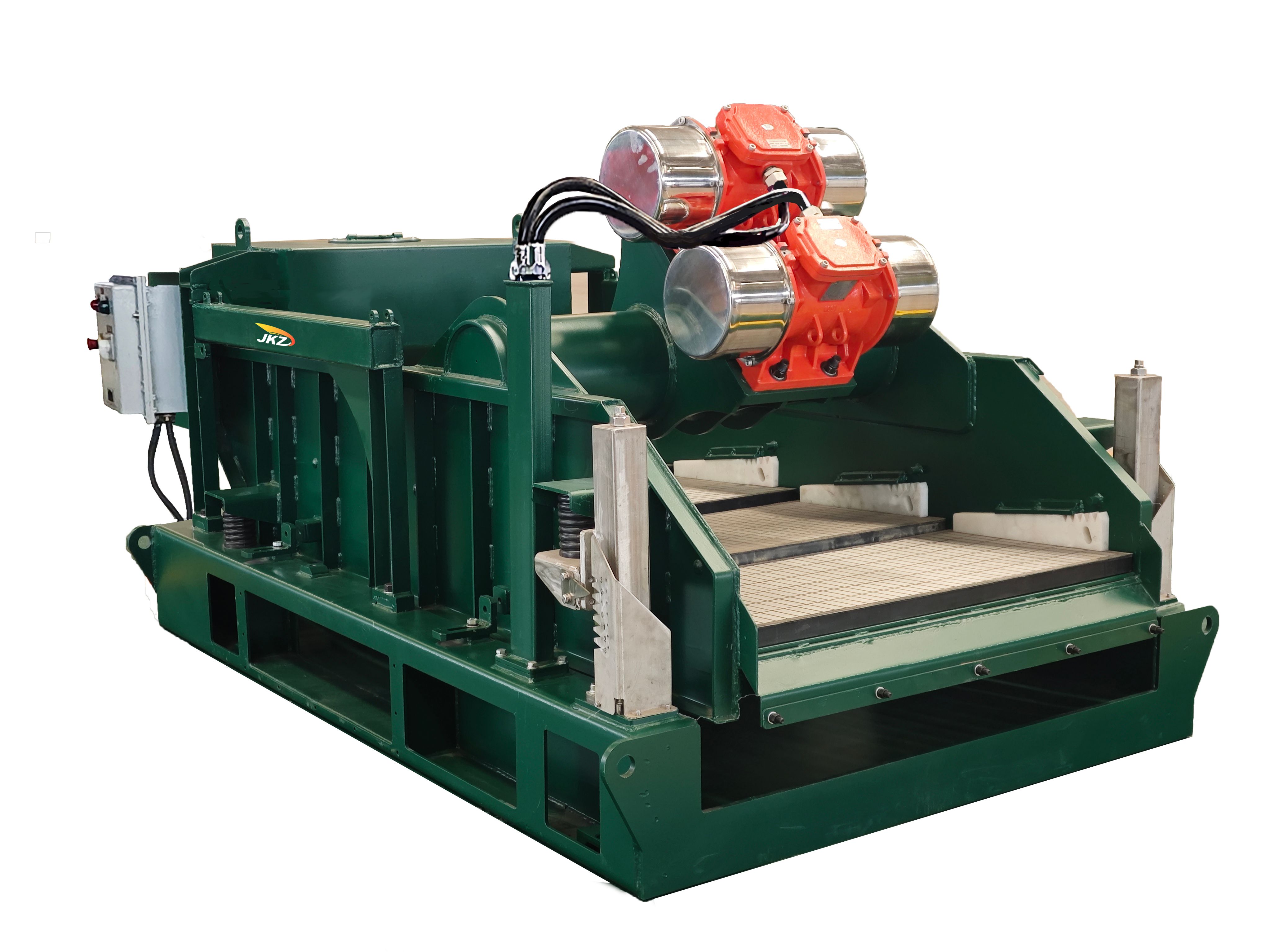
As the first line of defense, the shale shaker is responsible for removing large cuttings larger than 74 microns. It mainly comprises a shaker box, screen mesh, and vibrator, achieving solid‑liquid separation through high‑frequency vibration. Currently, linear motion shale shakers are the mainstream choice. Their processing capacity directly affects the efficiency of downstream equipment.
Stage 2: Degasser – The “Separator” of Gases
When drilling fluid encounters gas intrusion from the formation, the degasser comes into play. It effectively removes harmful gases entrained in the fluid, preventing gas‑kick and blowout risks, thereby safeguarding operational safety.
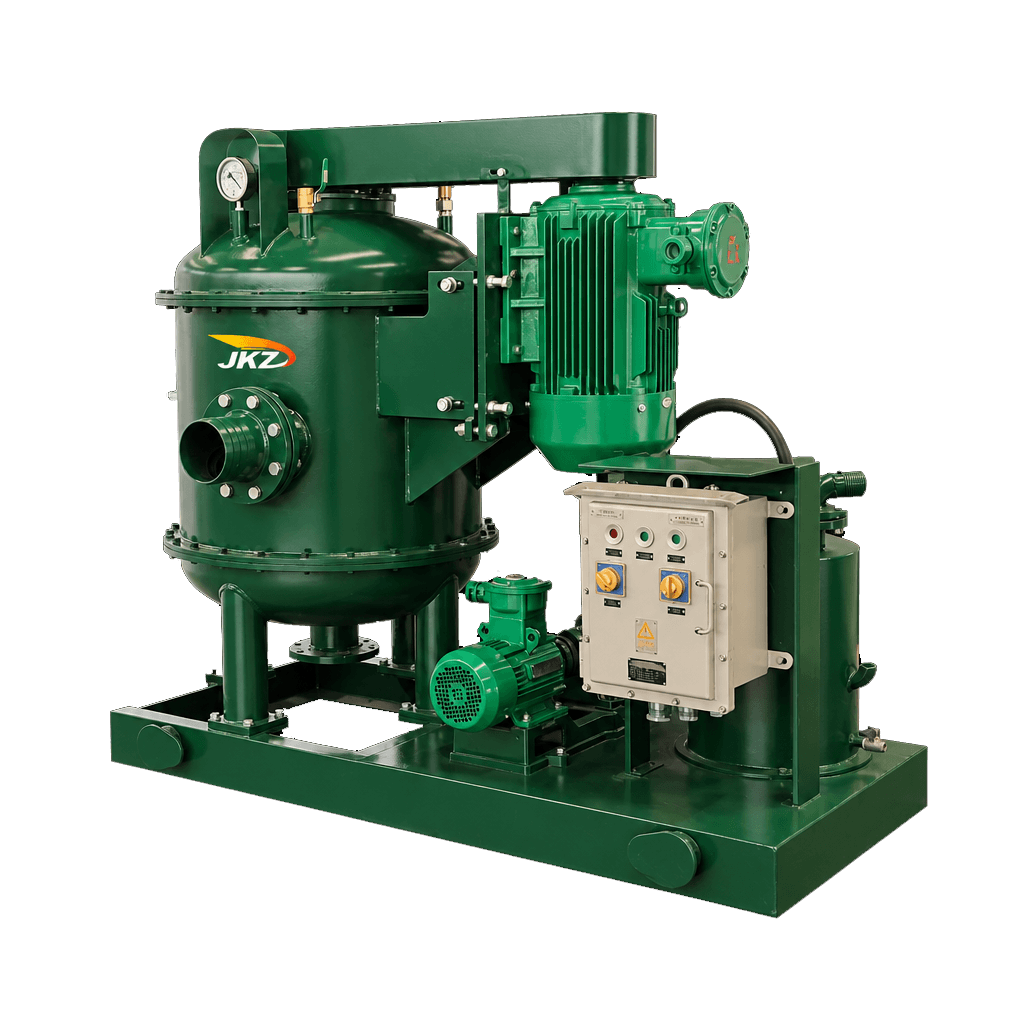
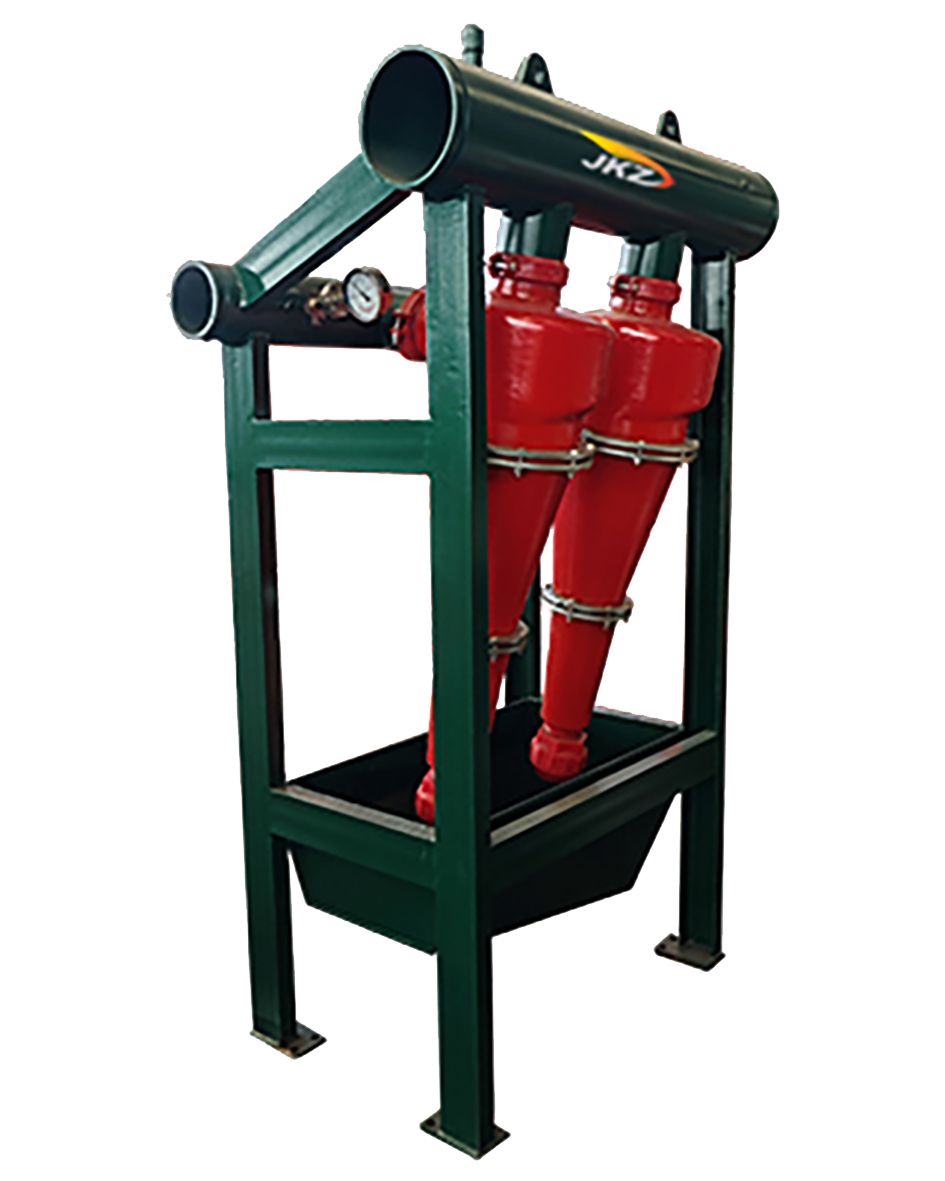
Stage 3: Desander – The “Remover” of Medium Sand Particles
The desander is a hydrocyclone with an inner diameter greater than 100 mm, specifically designed to separate medium‑sized sand particles in the range of 44–74 microns, further purifying the drilling fluid.

Stage 4: Desilter – The “Fine Filter” for Fine Particles
As a finer separation device, the desilter is also a hydrocyclone but with a smaller inner diameter (≤100 mm). It can separate clay‑sized particles from 8 to 44 microns, effectively reducing the content of fine solids in the drilling fluid.
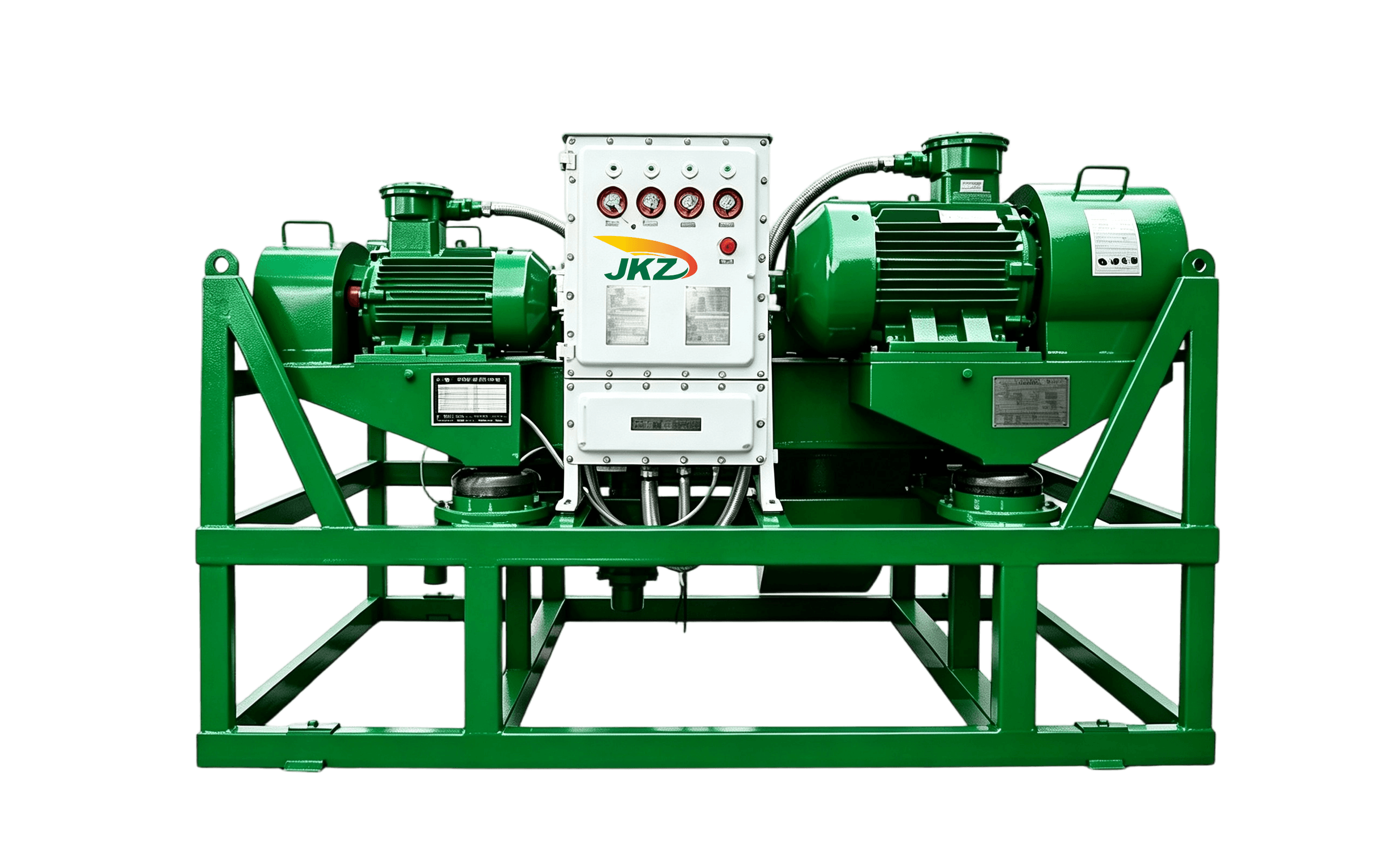
Stage 5: Centrifuge – The “Ultimate Barrier” for Ultra‑Fine Particles
This is the final checkpoint in the solids control system. The centrifuge uses high‑speed rotation to generate centrifugal force, capable of separating ultra‑fine particles in the range of 1.5–12 microns. Through fine‑tuned control, it can significantly reduce the density and viscosity of the drilling fluid, which is crucial for deep wells and highly challenging drilling operations.
Powerful Auxiliary Systems
In addition to the core purification equipment listed above, the system is supported by auxiliary devices such as sand pumps (providing power for hydrocyclones), agitators (preventing tank sedimentation), mud guns (washing tank walls), shear pumps (preparing special chemical solutions), and mixing hoppers (adding weighting materials). These auxiliary units work in concert with the main equipment to form a complete circulation and mixing system.
Industry Frontier Trends
As drilling technology advances toward deeper and more complex formations, solids control systems are evolving toward modularization, standardization, and intelligence. On the one hand, a simplified two‑stage solids control setup (ultra‑fine mesh shaker + high‑capacity centrifuge) is emerging as a new trend to meet the demands of high‑efficiency operations. On the other hand, the application of automatic monitoring and intelligent control technologies enables the system to adjust parameters in real time based on drilling fluid properties, achieving precise control.
Closing Remarks
The solids control system is not only the manager of drilling fluid but also the “guardian” of the drilling operation. From the coarse filtration of the shale shaker to the fine separation of the centrifuge, each stage of equipment carries the important mission of ensuring wellbore safety, reducing operational costs, and improving drilling speed. Our company offers solids control system solutions that integrate high‑efficiency separation, reliable performance, and intelligent convenience, all aimed at safeguarding your drilling projects.